
If you’ve been working for a period of around three years, you could be in a position where your position feels secure; however, growth is slow. You might also feel like you’re performing the same tasks every day and want an increase in your position, better pay, and a more definite career direction. This is the reason why professionals often begin planning the path to an MBA following 3 years of experience.
Many professionals start planning an MBA After 3 Years Experience to accelerate career growth and salary progression.
The great thing about completing the MBA after 3 years experience is that you’re no longer a newbie within the corporate world. You are aware of how work takes place, how targets and deadlines feel, as well as the way teams work. This is why MBA education is more practical and relevant to your job.

Why is an MBA with 3 Years of Work Experience a smart choice
Achieving the MBA following three years of work experience is considered to be an ideal situation for many. After 3 years, you’ve gained enough knowledge to recognize what you enjoy and what you don’t. You also begin to recognize your strengths as well as the type of work you’d like to have for the future.This is why MBA After 3 Years Experience is considered the ideal timing by many experts.
This is also a good time since the majority of top MBA schools favor candidates who have 2-5 years of work experience. This means that having an MBA with 3 years of experience is perfectly within the standard eligibility range.
Another reason is the fact that you have grown older. Three years into working, you can handle stress better, manage your time better, and also take responsibility with seriousness. These traits will help you excel during your MBA as well as during your placements.
Who Should Do an MBA After 3 Years of Work Experience
There is no need for everyone to complete an MBA. However, for a large number of professionals, it is an appropriate step. An MBA after three years of work experience could be a great option if you think your current job requires an extra increase.
It is perfect for those who wish to:
- Faster promotions and the ability to assume leadership
- More salary growth and better job offers
- Transition from technical to managerial work
- Recruitment into product, consulting, analytics, and strategy jobs
- Business knowledge is required to begin an enterprise later
If you agree with these factors, then getting an MBA following 3 years of experience could be the best choice for your career.
Best Colleges for MBA After 3 Years of Work Experience in India
The right college to choose is one of the major aspects of ensuring a good return on investment. An excellent institution will provide you with higher-quality education, more networks, and more placement opportunities. Numerous top universities in India allow professionals to pursue an MBA after three years of work experience.
Choosing the right institute is crucial when planning an MBA After 3 Years Experience.
We’re here to help you grow stronger mentally and emotionally. There are a few of the top alternatives:

- IIM Ahmedabad, IIM Bangalore, IIM Calcutta
- IIM Lucknow, IIM Kozhikode, IIM Indore
- ISB Hyderabad / Mohali (popular for candidates with experience)
- XLRI Jamshedpur
- SPJIMR Mumbai
- FMS Delhi
- MDI Gurgaon
- IIT Delhi, IIT Bombay (MBA/management programs)
- NMIMS Mumbai, Symbiosis Pune
These schools are well-known for solid placement records and brand recognition, which is what makes an MBA after 3 years experience more satisfying.
Types of MBA Options After 3 Years of Experience
If you are planning to pursue an MBA after 3 years experience, it is important to consider the best MBA format. Different formats work best for different needs and styles.
Common MBA choices are:
- Full-time MBA (2 years) to deepen your knowledge and provide high-quality opportunities for placement
- One-year MBA or PGP (for speedier completion and skilled professionals)
- Executive MBA (best for mid-senior professionals)
- An online MBA (flexible but dependent on the institute’s reputation)
If you’re looking for a dramatic change in your career and have solid support for placement, a full-time MBA is generally the best option after three years of work in the field.
Fees for MBA Work Experience
The costs can vary based on the institution or city and the types of programs. A lot of people fret about the cost; however, you must examine the ROI of your fees and career advancement.
Approximate fees for MBAs after 3 years of experience:
- Top public institutions and the government from Rs8 lakh to 18 lakh
- The IIMs, as well as the top private institutions, IIMs and top private institutes: Rs18 lakh to Rs.30 lakh
- One-year MBA programs from Rs20 lakh to 40 lakh
- Programs for MBA online: Rs1.5 lakh-Rs6 lac
Although the cost may seem high, having an MBA after 3 years experience typically provides better, longer-term wage growth. This increases ROI.
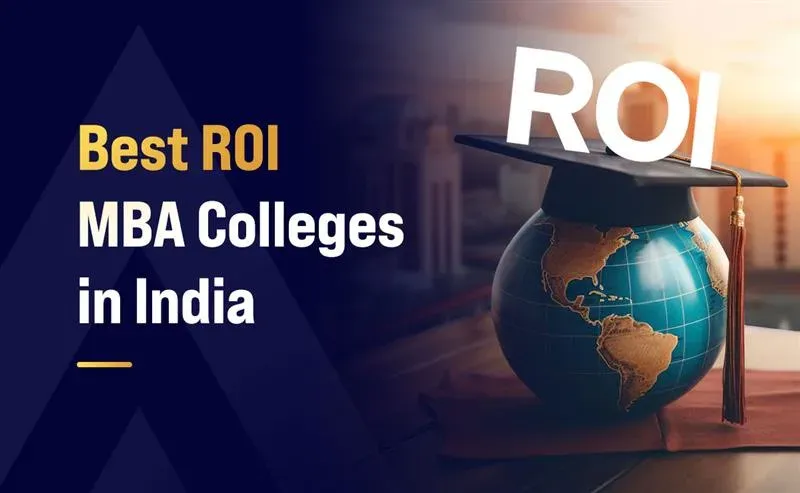
ROI of MBA:–
ROI is one of the biggest deciding factors for candidates considering an MBA After 3 Years Experience.For many, it is ROI that is the main reason for them to look into an MBA program after three years of work experience.
The ROI gets better when:
- You should select a well-known school with a strong track record of placements
- You will be offered a job upgrade after an MBA
- Your earnings will increase significantly over 2 to 3 years.
After completing an MBA following 3 years of experience professionals usually get promoted to higher-paying jobs such as consulting products management and marketing leadership, business analytics and other roles in strategy. These positions typically offer higher opportunities for growth than entry-level positions.
Additionally, because you already have experience, you are more likely to get higher-paying jobs than those who are freshers in interviews. This means that an MBA after 3 years experience is an ideal choice for a lot of people.
Career Growth After MBA After 3 Years of Work Experience
Career transformation is one of the biggest advantages of an MBA After 3 Years Experience.The ability to grow professionally is among the most significant benefits of completing your MBA after three years of work experience. After three years of an MBA, many people believe they’re doing well but don’t make the progress they need. An MBA will help you break through the boundaries.
After completing the MBA program, after three years of work experience, it is possible to find the opportunity to work in the following fields:
- Strategic and consulting roles
- Tech companies
- Marketing and brand management positions
- Financial roles include the investment banking industry and corporate finance
- Business analytics and the role of data
- Supply chain and Operations management tasks
An MBA will also help you improve the leadership abilities that help you advance into roles in the management of people more quickly.
Best Specializations for MBA After 3 Years Work Experience
Your area of expertise is crucial since it determines the direction of your career. If you decide to pursue an MBA after 3 years experience, it is recommended to choose a specialization depending on your interests and strengths, as well as your future needs.
Some of the most well-known specializations include:
- Marketing (best for growth, sales, branding, and leadership positions)
- Finance (best for those with strong analytical skills and industries with high pay)
- HR (best for roles that are focused on people and corporate work on culture)
- Operations (best for logistics, manufacturing, and other processes)
- Business Analytics (best for modern and data-driven job tasks)
The right choice of specializations will enhance your MBA after three years of knowledge, making it more efficient and profitable.
What do recruiters look for in candidates with 3 years of experience?
In MBA interviews, employers often prefer applicants with real experience in the field. If you’re doing the MBA with three years of working experience, that is an advantage, however, only in the manner you present it.
Recruiters generally are looking for:
- Career goals that are clear and well-defined, as well as good communication, are essential.
- A strong ability to solve problems
- Leadership experience in work projects
- Ability to work in teams and manage pressure
- Basic business knowledge and clever thinking
Therefore, if you’re planning an MBA following 3 years of experience, make sure you are improving these skills.
Mistakes to Avoid While Planning an MBA After 3 Years of Work Experience
A lot of people make mistakes due to the fact that they make decisions too quickly. Achieving an MBA following 3 years of knowledge is a huge move, so it is important to plan your steps.
Avoid these common blunders:
- The selection of a college should be based solely on the cost
- Choosing without a sense of desire or understanding
- Inattention to the ROI and Placement reports
- Not properly preparing for the entrance tests
- In the assumption that an MBA is a guarantee of success, it will be automatically rewarded.
MBA offers opportunities, but it is your efforts that determine the results. A well-planned MBA following three years of work experience provides the best results.
Conclusion
MBA After 3 Years Experience can be a powerful career decision if planned correctly.Achieving an MBA following three years of work experience could be an excellent option for your professional career when you select the right school and the best area of study. At three years old, you’ve got enough knowledge to comprehend the requirements of your profession and have enough motivation to pursue greater goals. The costs may be high, but the ROI can be high due to improved job roles and growth in salary. An MBA can also help you improve your leadership capabilities, confidence, and self-confidence, and business mentality. With proper planning, preparation, and focus, having an MBA after 3 years experience will help you gain promotions faster and create an improved career path. If you are prepared for growth and greater chances, then this could be the right time to apply.
FAQs:
1. Is MBA after three years of working experience the ideal time to pursue an MBA?
Absolutely, the MBA program after three years of experience will be regarded as an excellent time to do it since you’ve got enough real work experience, and also the ability to alter your career path. Many of the top MBA schools and recruiters choose those with this type of experience.
2. Which schools are the best for an MBA after three years of working experience from India?
The top schools to pursue an MBA with 3 years of knowledge comprise IIMs, ISB, XLRI, SPJIMR, FMS, and MDI. They provide excellent learning as well as brand value and placements, which boost the long-term ROI.
3. What is the cost average for an MBA after three years of working experience?
The cost of an MBA after 3 years experience could be as low as Rs8 lakh up to around Rs30 lakh, depending on the institution. A few one-year MBA programs can cost more; however, they also have quicker completion times and excellent professional outcomes.
4. What is the ROI I can expect after completing my three years of MBA working experience?
ROI following an MBA after 3 years experience is contingent on the institution you attended, your specialization, and performance. Most of the time, professionals are offered better job opportunities and a more lucrative salary increase within a couple of years following an MBA, which makes the investment worthwhile.
5. Can I change my career to an MBA after three years of working experience?
It’s true that an MBA degree after three years of work experience is among the best methods to switch careers. Many professionals go into consulting or analytics, product management, finance, or marketing with an MBA, particularly if they acquire the necessary abilities during the course.