

Many young professionals come to the common point of confusion early in their career. After two years of work before they begin thinking about their career growth, a better salary and more challenging roles. In this phase the concern is whether getting the MBA after two years of work experience is the best choice or should one wait?
This article will explain everything in a simple, extremely human and user-friendly language. If you’re new to the field or are just beginning your career plan this article will help you to understand if an MBA After 2 Years of Work Experience is right in your case or not.
What Does MBA After 2 Years Work Experience Mean?
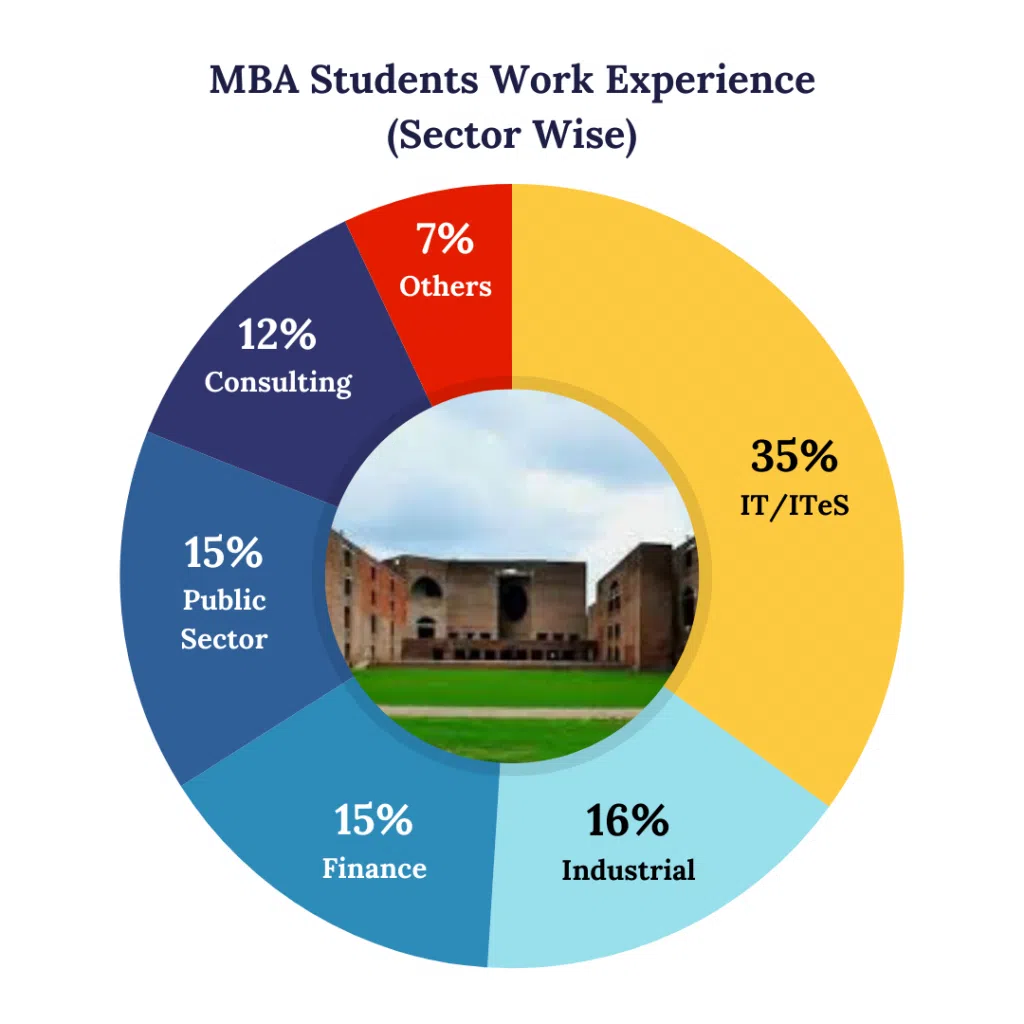
Achieving the MBA following two years of experience is a way of registering into the MBA program after having spent approximately two years working in an employment that is full-time. This experience could be in any field, such as marketing, sales, IT and HR, finance, operations and even startups.
After two years, after two years, you’re no longer a newbie. You are familiar with how offices operate as well as how teams operate and the pressure that comes with it. This knowledge base is what makes having the MBA After 2 Years of Work Experience more valuable as opposed to doing it after graduating.
Why Do People Consider MBA After 2 Years Work Experience ?
The majority of professionals contemplate an MBA After 2 Years of Work Experience due to feeling a sense of career limitations. It can be difficult to grow and learning can feel repetitive, and pay increases aren’t always satisfying.
Common reasons include:
- Finding yourself trapped in the exact position
- Wanting faster career growth
- Looking to transition into managerial roles
- Are you looking to shift your an industry or a domain
- Beginning to prepare for leadership positions in the early years
The idea of an MBA following two years of work experience is often the ideal way to end career stagnation.
Is MBA After 2 Years Work Experience Too Early?
This is among the most commonly asked questions. The short answer is it’s not too late. Indeed, many of the top MBA schools prefer applicants who have 1-3 years of work experience.
With an MBA After 2 Years of Work Experience You bring your real-world knowledge to the classroom. It is possible to connect theory and practical experience, which makes learning more real and meaningful.
However, the level of maturity as well as clarity of objectives and willingness to learn again is more important than years of knowledge.
Benefits of Doing MBA After 2 Years Work Experience
The decision to choose an MBA program after two years of work experience is a great choice with numerous benefits if you plan it properly.
- You already know the the culture of your workplace and collaboration
- Discussions in the classroom become more practical and applicable
- You can start shaping your career before you start, instead of putting off too long
- The recruiters look for early-stage professionals who have MBA degrees
- You can benefit from career acceleration for the long term.
The MBA After 2 Years of Work Experience can help you to reset your career path but you can still be in a state of flux.
Career Growth After MBA After 2 Years Work Experience
One of the primary reasons why people opt for an MBA after two years of knowledge is the faster career advancement. A MBA can help you transition from executing roles to decision-making and planning roles.
After having completed an MBA After 2 Years of Work Experience professionals typically transition into positions such as:
- Associate manager or management trainee
- Consulting or Business Analyst
- Managers of HR or marketing
- Operations or product manager
The development of your career becomes more planned and quicker through the completion of an MBA After 2 Years of Work Experience.

Salary Impact of MBA After 2 Years Work Experience
The salary is a major aspect for the majority of people. Getting one’s MBA following two years of work experience usually results in an increase in salary.
Prior to MBA Many professionals are paid a lower salary due to limitations on roles. After MBA the salary rises due to jobs shift to management and strategy.
The salary of an MBA is dependent on school, specialization, as well as the performance of an individual, MBA After 2 Years of Work Experience generally increases earning potential dramatically over time.
Skills You Gain From MBA After 2 Years Work Experience
A MBA following two years of working experience is not only about getting a degree. It will help you acquire abilities that will be useful throughout your whole career.
You develop skills like:
- Problem-solving and business thinking
- Management of people and leadership
- Communication and presentation
- Strategic and financial understanding
These abilities help you to perform better at work and make you stand apart professionally following the MBA After 2 Years of Work Experience knowledge.
Best MBA Options After 2 Years of Experience
If you’re thinking of pursuing an MBA After 2 Years of Work Experience there are many choices in India.
- Full-time MBA at top B-schools
- Executive MBAs for early professionals
- MBA with specializations in finance, HR, marketing
- MBA programs that are focused on operations or analysis
The choice of the best format is crucial when preparing an MBA After 2 Years of Work Experience.
MBA Specializations to Choose After 2 Years Experience
Your area of expertise plays a significant factor in the success of an MBA, even after two years of knowledge.
Some of the most popular options are:
- Marketing to fill growth-oriented positions
- HR for jobs that are centered on people and culture.
- Finance for strategic and analytical functions
- Process-driven industry operations
- Data-driven careers in business analytics
Select a field that is in alignment with your background and interests when you are planning your MBA After 2 Years of Work Experience.
Things to Consider Before Doing MBA After 2 Years Work Experience
Before making the ultimate decision, take a moment to reflect on some important aspects.
- Are you clear on your career objectives?
- Are you prepared for the pressure and stress of a rigorous study?
- Are you able to afford the MBA on a budget?
- Are you deciding on the right institution and field of study?
A MBA After 2 Years of Work Experience is most effective when completed with clarity and planning.
Challenges of MBA After 2 Years Work Experience
While it is beneficial, MBA after two years of experience is not without issues.
There are many issues that you may encounter:
- Stress in the classroom after a lunch break
- Colleges with high competition
- Financial investment stress
- Balance between expectations and reality
These issues are common and can be overcome when you have the right attitude during your MBA following 2 years of knowledge.
Who Should Not Rush Into MBA After 2 Years Work Experience
Not everyone is suited to immediately enroll in an MBA once they have two years of work experience. If you’re unsure of your goals, or if you are enjoying the benefits of technological development, waiting can be beneficial.
You might want to consider waiting until:
- You are still trying to discover your passions
- You’re looking for a deeper technical understanding first.
- You’re not mentally prepared to commit full-time time study
Timing is crucial for MBA students after two years of knowledge.
Is MBA After 2 Years Work Experience Right for You?
The ideal time to start an MBA following two years of experience is dependent on you, not the other candidates. If you’re capable of taking on more of the lead, manage teams, and develop faster, this could be the right time for you.
The ability to see clearly, motivate yourself and dedication are more important than the age or years of experience when choosing an MBA following two years of work knowledge.

Conclusion
Achieving the MBA after two years of experience could be a great career choice If you plan it carefully. It provides you with the chance to experience leadership early as well as management concepts, which can lead to better career options. Through basic exposure to work it allows you to understand MBA concepts more effectively. While there are some challenges, the benefits in the long run usually outweigh the negatives. The most important thing is clarity on your goals and deciding on the right institute. If you are ready to expand beyond the current position, an MBA degree after two years of experience might be the perfect time to do it.
FAQs on MBA After 2 Years Work Experience
1. Is an MBA after two years of working experience an excellent choice?
Yes, an MBA degree after two years of experience will be a wise option for professionals as it can help accelerate your career earlier. It helps you build management skills, while still able to adapt.
2. Do the top MBA schools accept applicants with two years of work previous experience?
Yes, a lot of top universities prefer applicants who have 1-3 years of work experience. MBA after two years of work experience is perfectly in this category of preference.
3. Can I be sure to find a job following my MBA, even after two years of working experience?
Placements are contingent upon college quality as well as specialization and performance. However, an MBAs after two years of work experience generally increases the chances of securing jobs and placements.
4. Should I put in more hours before completing my MBA?
It is contingent on your professional clarity. If you are already aware of the direction you want to go, having an MBA after two years of work experience can be a good decision. If not, gaining more knowledge could be helpful.
5. Do I have the option of switching careers after completing an MBA after two years working experience?
It’s true, MBA after two years of work knowledge can be a well-known option to change careers. Many professionals switch careers to HR, marketing or consulting by completing an MBA.