
There’s this quiet assumption that circulates every year after board results — that low marks mean the good colleges are gone, the options have dried up, and you’re just picking from whatever’s left. It’s not true. There are genuinely good colleges accepting low marks across India, and knowing which ones — and how to approach them — changes the whole picture.

Many students start searching for colleges accepting low marks after board results when their percentage is lower than expected. This isn’t a list of last-resort colleges. It’s a realistic guide to colleges in India that accept students with low marks and still offer meaningful education and career outcomes.
Students looking for colleges accepting low marks in India still have many options including open universities, private colleges, polytechnic institutes, and state universities. Many institutions accept students with 40–60% marks and provide valid degrees with good career opportunities.
Colleges Accepting Low Marks: What Low Percentage Means for Admissions
Before getting into names, it helps to define the range. Colleges accepting low marks typically serve students in the 40-60% range. Some programs at certain universities go as low as 35-40% for reserved category students. Private colleges especially tend to have rolling cutoffs that drop as the admission season progresses.
The other piece: ‘low marks’ means different things in different streams. Science cutoffs are generally higher than arts. PCM-based admissions are more competitive than PCB. Commerce without Maths programs are among the most accessible.
Open Universities — Accessible Across the Country
IGNOU (Indira Gandhi National Open University) is the most widely known, but it’s worth treating seriously rather than as a fallback. IGNOU offers over 200 programs including BA, B.Com, BCA, BBA, BSc, and various diploma programs. Most programs have no minimum percentage requirement for 12th pass students. Fees are among the lowest in the country and the degree is UGC-recognised. Open universities are among the most reliable colleges accepting low marks because admission depends mainly on eligibility rather than high board scores.
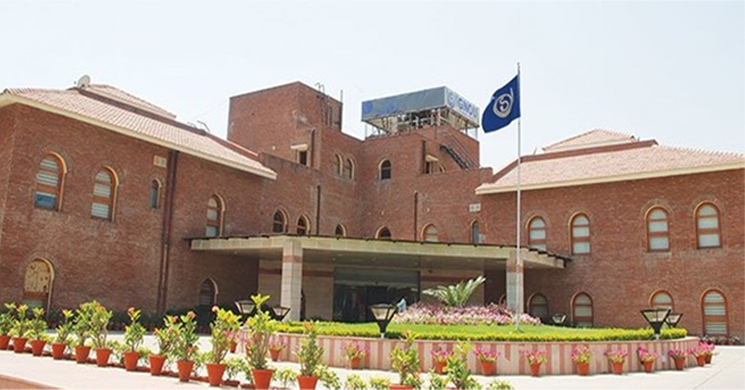
VMOU Kota (Vardhman Mahaveer Open University) in Rajasthan, YCMOU in Maharashtra, and BRAOU in Andhra Pradesh all follow a similar model — open, accessible, and valid for government jobs and further studies.
Open universities aren’t just for those who couldn’t get elsewhere. They’re a legitimate choice, especially when paired with active internships, certifications, or work experience. For students asking about college admission with low marks, this route deserves serious consideration before being dismissed.
Private Universities With Low Cutoffs
Several private institutions in India are known as colleges accepting low marks, especially for courses like BA, BBA, BCA, and BCom.
Private universities in India vary enormously in quality, so this needs nuance. But several well-regarded private institutions have relatively low admission cutoffs — especially in non-engineering streams — and have decent infrastructure, exposure, and placement support.
Lovely Professional University (LPU) in Punjab accepts students across a wide percentage range, has a large campus, and has become increasingly well-regarded for engineering, design, and management.
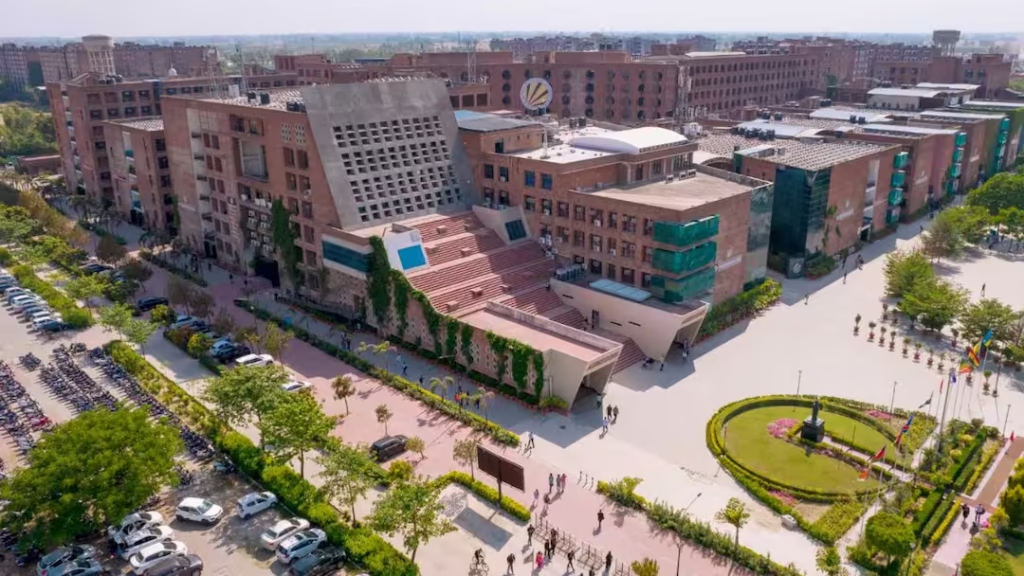
Manipal University offers many programs where board marks are less critical than performance in their own entrance test or counselling process.
Amity University has campuses across India and takes students through a combination of board marks and their own Amity JEE. Cutoffs for arts and commerce programs here are often in the 50-55% range.
Chandigarh University has grown rapidly and accepts a wide range of students for BTech, BBA, BCA, and BA programs. Their cutoffs for non-engineering courses are accessible.
None of these are premium IIT-tier institutions. But they’re real universities with real faculties, and for students focused on learning and placement rather than prestige, they do the job.
| College | Course Options | Minimum Marks |
|---|---|---|
| Lovely Professional University | BBA, BCA, BCom, Design | 40–50% |
| Amity University | BA, BBA, Journalism | 50–55% |
| Chandigarh University | BTech, BBA, BCA | 45–55% |
| Manipal University | Hospitality, Design | Entrance based |
Colleges for Science Students With Low Marks
Many agricultural and applied science institutes are also colleges accepting low marks while still providing strong career opportunities.
BSc Agriculture is one of the most underutilised options. Agricultural colleges under state universities and ICAR-affiliated institutions accept students with 45-50% in PCB. The demand for agriculture graduates is enormous, government jobs are plentiful, and the course itself is genuinely interesting. Colleges accepting low marks in agriculture are common across Uttar Pradesh, Madhya Pradesh, Bihar, and Rajasthan.
BSc Nursing admission depends more on entrance exams than board percentage in many states — making it a path for students with low marks who can prepare well for a separate test. Private nursing colleges in particular are accessible.
BSc in Hospitality and Hotel Management from institutes like IHM Ahmedabad, IHM Bhopal, and several state institutes have lower cutoffs and lead to strong placement in hospitality, aviation, and food service industries.
Colleges for Commerce and Arts Students With Low Marks
Commerce students have some of the widest access to admission after 12th with low marks. B.Com programs at tier-2 and tier-3 city colleges across India — in Indore, Jaipur, Pune, Coimbatore, Bhopal, Lucknow — often accept students with 45-55%. BBA programs at private colleges have similar accessibility.
For arts students, virtually every state university in India has BA programs in History, Geography, Sociology, Philosophy, and Political Science with open or low-cutoff admissions. Journalism programs (BJMC) are competitive in metro colleges but accessible in tier-2 cities.
BJMC at Makhanlal Chaturvedi University in Bhopal, BA programs at Barkatullah University, and several Rajasthan University affiliated colleges accept students in the 40-50% range for arts. Across India, many state universities and private institutions function as colleges accepting low marks for arts and commerce programs.
Polytechnics and Technical Institutes
Polytechnic institutes are another category of colleges accepting low marks, focusing more on practical technical education than board exam percentages.
Government polytechnics in every state offer diploma programs in engineering and technology with cutoffs that are far below engineering degree programs. Colleges offering admission after 12th without entrance exam include many polytechnics that do direct admission based on 10th or 12th marks. Many technical institutes and private colleges also offer admission after 12th without entrance exam, allowing students to secure seats based on eligibility and available vacancies.
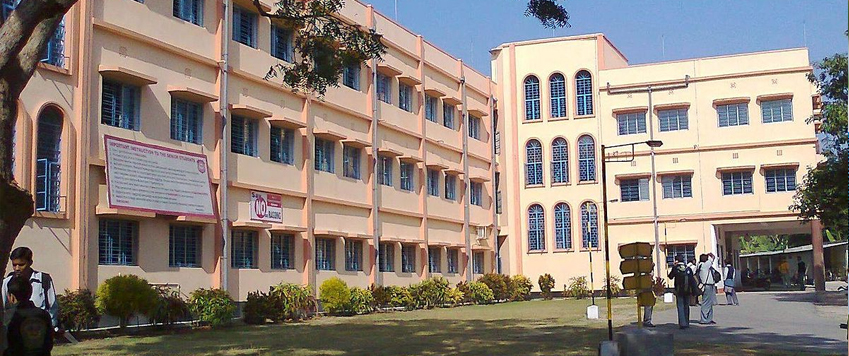
These programs lead to AICTE-recognised diplomas and open doors in manufacturing, IT services, construction, and electronics. Lateral entry into B.Tech second year is available after diploma completion — which means students can eventually get a degree through this route as well.
Students exploring technical education options can also check a detailed guide on best courses after 12th with low marks, which explains diploma programs, vocational courses, and practical career paths available across India.
How to Approach Applications
• Research admission season timelines — private colleges often open second and third round admissions in July-August with lower cutoffs
• Don’t overlook state colleges in tier-2 and tier-3 cities — they often have good faculty-to-student ratios and lower competition
• Check if the college offers entrance-based admissions separately from board marks — a fresh score can override board results
• Visit college websites directly rather than relying only on aggregators — cutoffs and seat availability are most accurate at source
• Shortlist 15-20 colleges across price points and cities before narrowing down If you are planning long-term career growth after graduation, you can also explore options like higher education. Read more about MBA eligibility for working professionals to understand future opportunities.

Conclusion
The idea that colleges accepting low marks offer poor education is a myth. Open universities, private universities, state-affiliated colleges, polytechnics, and agricultural institutions together make up a vast ecosystem of options for students with 40-60% in 12th. Students confused about their next step can also explore a guide on what to do after 12th with low percentage, which explains different career paths, diploma programs, and alternative education options. The right college isn’t the most famous one — it’s the one that fits your field, your budget, and what you’re trying to build. Do the research. The options are real. After completing your degree, gaining some work experience can open better career options. You can also explore whether an MBA after 3 years of experience is the right path for you.
FAQs
1. Which is the best open university for low marks students in India?
IGNOU is the most widely accessible and nationally recognised. Other strong options include VMOU Kota, YCMOU Maharashtra, and BRAOU Andhra Pradesh, all offering valid UGC-recognised degrees for students with low marks
2. Do private colleges really accept students with 45% in 12th?
Yes. Many private universities and colleges — especially for BA, B.Com, BBA, and BCA — do accept students with 45-55%. Colleges accepting low marks in private sector are common, though fees tend to be higher than government institutions.
3. Can I get into a good college for BSc with low 12th marks?
BSc Agriculture, BSc Hospitality, and BSc in applied sciences are available at several colleges with 45-50% cutoffs. These are genuine, industry-connected programs — not placeholder degrees.
4. Are polytechnic diplomas worth it compared to a degree?
For students focused on technical careers, polytechnic diplomas offer faster, more practical pathways than a degree. They’re industry-recognised and provide a foundation for lateral entry into B.Tech programs later.
5. How late can I apply for college admission after 12th results?
Most colleges have first round admissions in June-July, but second and third rounds often run through August-September. Private colleges and open universities sometimes accept applications even in October for certain programs.